
Strategic Report on the Development and Digital Positioning of Saraya Al Deafah Hotel Taysir, Makkah
The renaming and digital transformation of Saraya Al Deafah Hotel Taysir, formerly known as Nawazi Watheer, represents far more than a simple change of signage. It signifies a profound strategic repositioning within the rapidly expanding religious tourism market of Makkah, Saudi Arabia. With the ambitious goals of Vision 2030 and the unprecedented expansion of the Al-Haram Mosque, the Taysir district is rapidly emerging as a crucial logistical hub for middle-segment pilgrims.
To thrive in this dynamic environment, the creation of an exclusive digital platform for Saraya Al Deafah Hotel Taysir demands the integration of advanced technological solutions, specialized knowledge of pilgrimage rituals, and a precise understanding of local infrastructure. This comprehensive approach will empower the hotel to successfully compete with global aggregators like Booking.com, by offering unique value deeply aligned with the spiritual journey of its guests. This report outlines a strategic roadmap for achieving this transformative digital presence, ensuring the hotel becomes an indispensable partner for pilgrims from around the world.
1. Analysis of the Property and Market Context
Saraya Al Deafah Hotel Taysir, situated on Jabal Al Kaabah Street in the Taysir district, operates as a three-star establishment catering primarily to groups and individual pilgrims undertaking Hajj and Umrah. Its recent transition under the management of the international Aldeafah International Group (Deafah Group) marks a critical step towards synchronizing service standards with other properties in the network, such as Rakhaa Al Deafah and Abeer Al Deafah. This integration not only promises elevated service quality but also leverages the group’s extensive experience in the religious hospitality sector. The strategic rebranding and operational alignment are designed to enhance the guest experience and solidify the hotel’s position within a highly competitive market segment.
1.1. History and Architectural Profile
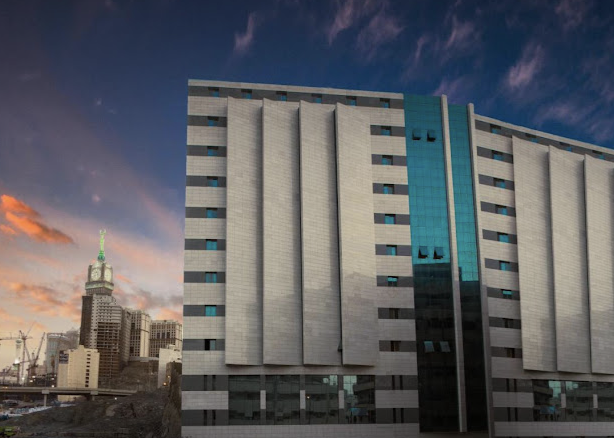
The property, which previously operated under the brand Nawazi Watheer, has cultivated a solid reputation in the “affordable comfort” segment. Its robust structure comprises 150 well-appointed rooms, housed within a modern building specifically designed to accommodate high occupancy rates during peak periods like Ramadan. This architectural foresight ensures efficiency and comfort even under demanding conditions.
The rebranding necessitates a complete overhaul of the hotel’s digital footprint across all global distribution systems (GDS), including major platforms like Amadeus and Sabre. A crucial technical challenge involves the accurate mapping of old and new identifiers, ensuring that historical data, reviews, and operational details associated with Nawazi Watheer are correctly attributed to Saraya Al Deafah Hotel Taysir. This meticulous mapping process is vital for maintaining online visibility and ensuring seamless booking experiences for travel agents and individual pilgrims.
Key characteristics of the property include:
- New Name: Saraya Al Deafah Hotel, Taysir
- Old Name: Nawazi Watheer
- Category: 3 stars
- Number of Rooms: 150
- Managing Company: Aldeafah International Group
- Primary Markets: Indonesia, Pakistan, Malaysia, Persian Gulf countries
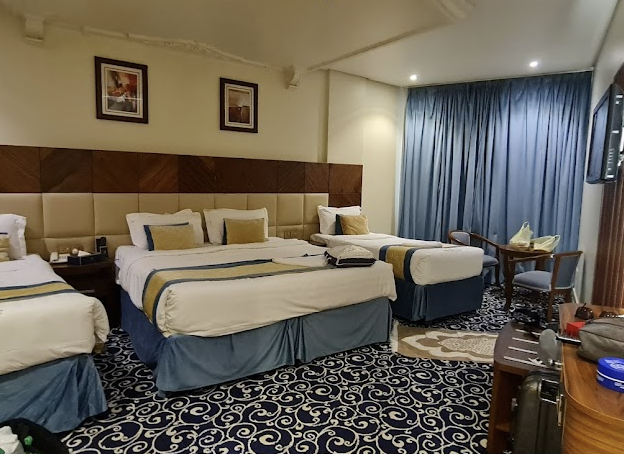
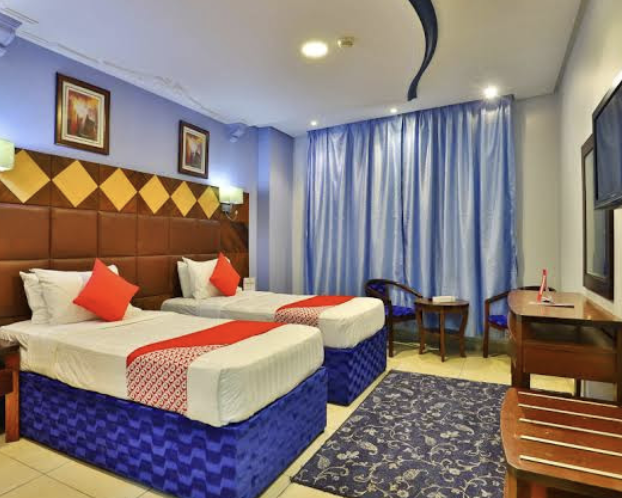
An analysis of the room inventory reveals a clear orientation towards group accommodation, with a predominance of four-bed (Quad) and three-bed (Triple) rooms – a standard configuration for hotels in the Taysir area. The rooms are equipped with essential amenities critical for pilgrims, who often spend significant time in prayer and spiritual reflection. These include efficient air conditioning, flat-screen televisions, refrigerators for storing Zamzam water, and tea/coffee making facilities, all designed to enhance comfort and convenience during their spiritual journey. The thoughtful inclusion of a refrigerator for Zamzam water, for example, highlights the hotel’s understanding of the specific needs and practices of its clientele.
1.2. Location and Spiritual Geography
The Taysir district is strategically located in the northwestern part of Mecca, directly adjacent to the historic Jarwal area. A pivotal feature of this location is its close proximity to the King Abdullah Expansion of the Al-Haram Mosque. The hotel is situated approximately 700 meters from the mosque’s boundaries, a distance that firmly places it within “walking distance.” However, it is crucial to acknowledge that the local terrain, characterized by undulating hills, can introduce varying levels of physical exertion, especially for older pilgrims or those with mobility challenges.
Of immense spiritual significance, the historic Bir Tuwa well is located in the immediate vicinity of the hotel. This ancient well holds profound importance in Islamic tradition, making the hotel’s location particularly meaningful for pilgrims. The design of the exclusive hotel webpage must leverage this spiritual context, transforming a standard description of the location into a “guide to holy places.” By integrating narratives about nearby spiritual landmarks and their significance, the hotel can position itself not merely as accommodation, but as a gateway to the sacred sites of Mecca, enriching the pilgrim’s spiritual journey and offering a deeper connection to the holy city.
2. Pilgrim Logistics and Navigation
For a pilgrim navigating the holy city of Mecca, mere distance in meters is often less informative than the actual travel time and the quality of the route. Research into the pathways from Saraya Al Deafah Hotel Taysir to the Al-Haram Mosque reveals several distinct navigation scenarios. These routes must be clearly visualized and integrated into an interactive Mapbox map on the hotel’s future digital platform, providing invaluable guidance to guests.
2.1. Pedestrian Routes and the “Secret Path” through Anjum
Standard mapping services frequently direct users along main roads, which can result in travel times of 20-25 minutes due to traffic congestion and necessary detours. However, a highly optimized route, colloquially known as the “shortcut through Anjum hotel,” offers a significantly more efficient and comfortable journey. Analysis of numerous video-guided tours confirms the following sequence of movement:
- Exit Saraya Al Deafah Hotel: Pilgrims begin by exiting the hotel and carefully crossing Jabal Al Kaabah Street.
- Underpass Navigation: The path then leads under the Second Ring Road overpass, minimizing exposure to heavy traffic.
- Anjum Hotel Access: The most advantageous part of this route involves utilizing the escalators and underground level (basement) of the Anjum Hotel. This allows pilgrims to bypass steep inclines and the intense heat, emerging directly at the boundary of the Al-Haram Mosque.
This “secret path” is a critical selling point that should be prominently featured. The following table provides an overview of various routes and their characteristics:
| Destination (Gate) | Distance | Time (Walking) | Path Features |
|---|---|---|---|
| King Abdullah Expansion | 700 m | 10–12 min | Gentle slope, new pavement |
| King Fahd Gate (No. 79) | 1.1 km | 15–18 min | Via Anjum Hotel shortcut, sheltered |
| King Abdulaziz Gate (No. 1) | 1.3 km | 20–22 min | Busy urban route, less direct |
| Bab Al-Umrah | 1.5 km | 22–25 min | Historic path through Jarwal, potentially congested |
2.2. Terrain and Physical Accessibility
The Taysir district is characterized by its undulating, hilly landscape. This geographical feature means that the return journey to the hotel after prayers often involves an uphill climb, which can be particularly challenging for elderly individuals or those with physical limitations. To address this, the exclusive hotel webpage should incorporate a “relief layer” on its custom map. This visual aid will allow users to assess the physical demands of different routes in advance, enabling them to plan their movements more effectively.
To mitigate the challenge of the hilly terrain, the hotel traditionally provides a shuttle bus service, operating approximately every 30 minutes. However, it is important to transparently communicate that during periods of extensive reconstruction or high demand, the operation of this service may be limited or subject to delays. Clear, real-time information regarding shuttle availability and schedule will be crucial for managing guest expectations.
2.3. Integration with SAPTCO and City Transport
Saraya Al Deafah Hotel Taysir is conveniently located within the operational zone of SAPTCO (Saudi Public Transport Company) buses. These buses provide vital connections between Jarwal and other key districts of Mecca, such as Aziziya and Misfala, and crucially, to the Haramain high-speed train station. For pilgrims planning independent excursions to Jeddah or Medina, access to reliable public transport information is invaluable.
The hotel’s digital platform should feature comprehensive information regarding SAPTCO bus schedules, nearest stops, and route details. This integration will serve as a significant advantage for pilgrims seeking to maximize their mobility and independence within Mecca and beyond, making the hotel a true logistical hub for their entire pilgrimage experience. Providing such detailed transport information directly on the hotel’s page elevates its utility far beyond that of a typical booking platform.
3. Designing the Exclusive Page (UX/UI Strategy)
To ensure the Saraya Al Deafah Hotel Taysir webpage truly distinguishes itself from generic listings on platforms like Booking.com, it must be meticulously designed as a “Spiritual Hub.” This platform will seamlessly integrate booking functionalities with an array of services specifically tailored to support and enrich the pilgrim’s rituals and overall spiritual journey. The user experience (UX) and user interface (UI) must reflect this dual purpose, offering both practicality and profound spiritual resonance.
3.1. Visual Concept and “Synthesis of Worlds”
The visual design of the page must achieve a harmonious blend of modern, intuitive functionality, characteristic of leading Western online travel agencies (OTAs), with the deeply revered aesthetics of Islamic art and culture. This “synthesis of worlds” can be achieved through:
- Islamic Aesthetics: Incorporating intricate geometric patterns inspired by the architecture of the Al-Haram Mosque. The chosen color palette should evoke a sense of purity, peace, and spirituality, utilizing whites, golds, and deep greens. These colors are traditionally associated with reverence and the sacred in Islamic contexts, creating an immediate emotional connection with the pilgrim.
- Key Page Blocks:
- Spiritual Header: A prominent feature displaying current prayer times in Mecca, dynamically updated, along with a Qibla direction indicator that shows the precise direction of prayer relative to the hotel building. This immediately establishes the page’s spiritual focus.
- Live Stream Integration: An optional audio stream of the Adhan (call to prayer) or a live recitation of the Quran directly from the Al-Haram Mosque. This feature powerfully underscores the hotel’s direct spiritual connection to the holiest site in Islam, allowing guests to feel continuously connected to the sacred atmosphere.
- Verified Views Slider: Rather than generic stock photos, an interactive slider showcasing “Haram View” and “City View” panoramas, ideally with high-resolution, actual footage from the hotel’s windows. This transparency builds trust and manages expectations regarding the specific vista from a given room.
3.2. Custom Map based on Mapbox
Moving beyond conventional Google Maps, a bespoke, multi-layered navigation tool built on Mapbox is essential. This custom map will provide unparalleled detail and utility for pilgrims:
- “Gates” Layer: This dynamic layer will indicate which gates of the Al-Haram Mosque are currently open and the most optimal path to reach them, taking into account real-time crowd density (potentially integrated with data from Nusuk or other local authorities). This helps pilgrims avoid congested entry points.
- “Transport” Layer: Real-time tracking of the hotel’s shuttle buses, showing their current location and estimated arrival times. Additionally, this layer will pinpoint all nearby SAPTCO bus stops, complete with route information and schedules, facilitating broader city exploration.
- “Services” Layer: An essential guide for pilgrims, marking out specific local services:
- Pharmacies that stock fragrance-free soaps and toiletries, critical for pilgrims in the state of Ihram.
- Barbershops offering the Halq (shaving) or Taqsir (trimming) rituals, necessary after completing Umrah or Hajj.
- Convenience stores and restaurants offering suitable food options.
3.3. Booking Module and “Service Transparency”
One of the recurring issues highlighted in guest reviews for hotels in Mecca, including Saraya Al Deafah, pertains to elevator functionality during peak prayer times. The exclusive page must adopt a strategy of radical transparency to address these concerns proactively:
- Lift Management: Clearly state the number of operational elevators (e.g., 5-8, depending on the hotel wing) and provide explicit recommendations on optimal departure times for prayers to minimize waiting in queues. This proactive communication manages guest expectations and helps them plan.
- Bed Types Visualization: Offer clear, visual representations of room configurations. For instance, a “Quad” room should explicitly show four separate single beds, eliminating any confusion with supplementary rollaway beds, which is a common issue in Mecca accommodations. This visual clarity ensures pilgrims understand exactly what they are booking.
- Ihram Status Information: Provide detailed information regarding the availability of Ihram kits (special garments for pilgrimage) for purchase directly at the hotel reception or in readily accessible nearby shops. This small but crucial detail significantly aids pilgrims in their preparations.
By meticulously designing these UX/UI elements, the Saraya Al Deafah Hotel Taysir platform will not only offer a superior booking experience but will also function as an indispensable spiritual guide and logistical aid, setting a new benchmark for pilgrim-centric hospitality in Mecca.
4. B2B Sector: Portal for Agents and Operators
A substantial portion of Saraya Al Deafah Hotel Taysir’s bookings originates from organized groups, particularly those arranged by Hajj and Umrah tour operators. Consequently, the exclusive digital interface must incorporate a robust “second face” – a professional dashboard tailored specifically for these agents, referred to as the “Agent Cockpit.” This dedicated portal will address the unique needs of B2B partners, offering tools for efficient mass management and streamlined booking processes.
4.1. Functionality of the Agent Cockpit
Hajj and Umrah agents require access to high-density data and powerful tools for managing multiple bookings simultaneously. The Agent Cockpit should therefore feature:
- Tabular Data Display: Instead of standard graphical cards, the interface will present room inventory and pricing in a compact, comprehensive table format. Key columns will include:
- Room Type: Detailed description of each room category.
- Board Basis: Options such as Room Only (RO), Bed & Breakfast (BB), Half Board (HB), or Full Board (FB), which are critical for pilgrim packages.
- Allotment: Real-time display of available room quotas.
- Net Price: Transparent pricing for agents, allowing them to add their markup.
- Commission: Clearly stated commission structure for each booking.
- Bulk Checkout: A crucial feature enabling agents to book a large number of rooms (e.g., 20 rooms) in a single transaction. This is complemented by an Excel integration feature, allowing agents to upload a complete “Rooming List” (pilgrim details) directly, significantly reducing manual data entry and potential errors.
- Gender Control: An automated validation system integrated into the rooming list upload. This feature prevents the accidental assignment of non-related men and women to the same room, a critical compliance requirement and cultural sensitivity for group pilgrimage tours, ensuring adherence to Islamic guidelines and local customs.
4.2. Financial Management and Credit Lines
For trusted and long-standing partners, the Agent Cockpit will provide advanced financial management tools:
- Prepaid Balance Widget: A clear display of any deposited funds held by the hotel on behalf of the agent, allowing for easy tracking and utilization against bookings.
- Credit Limit Management: Functionality for managing and monitoring credit limits extended to large tour operators, particularly from key markets like Indonesia and Pakistan, facilitating flexible booking arrangements.
- Nusuk/BRN Integration: Automated generation of Booking Reference Numbers (BRN), which are essential for processing pilgrim visas through the official Nusuk platform. This direct integration streamlines the visa application process, reducing administrative burden and accelerating the preparation for pilgrims.
By providing these sophisticated tools within the Agent Cockpit, Saraya Al Deafah Hotel Taysir can cultivate stronger, more efficient relationships with its B2B partners, ensuring a steady stream of group bookings and solidifying its reputation as a reliable and technologically advanced partner in the Hajj and Umrah travel industry.
5. Technical Architecture and Integrations
The successful implementation of this ambitious digital platform for Saraya Al Deafah Hotel Taysir necessitates a robust, fault-tolerant technical architecture. This system must be engineered to withstand extreme loads, particularly during peak pilgrimage seasons like Ramadan, when API requests can surge tenfold, demanding unparalleled stability and responsiveness.
5.1. Database and API Gateway
The foundational infrastructure will be built upon a modern microservices architecture, offering scalability, flexibility, and resilience:
- Inventory Engine: At the core will be a dedicated Inventory Engine, responsible for storing and managing real-time room availability. This engine will maintain seamless, two-way communication with external Channel Managers (e.g., SiteMinder or specialized local solutions) to ensure that availability and pricing are consistently synchronized across all global online travel agencies (OTAs) such as Booking.com and Expedia, preventing overbookings or missed sales opportunities.
- Role-Based Access Control (RBAC): The API gateway will implement sophisticated Role-Based Access Control. This means a single API endpoint can return different pricing structures based on the user’s authentication level: B2C (Brutto) prices for direct consumers and B2B (Netto) prices for authorized agents accessing the Agent Cockpit. This system ensures pricing integrity and optimizes revenue management.
5.2. Addressing GDS Mapping Issues
The transition from “Nawazi Watheer” to “Saraya Al Deafah Hotel Taysir” poses a significant challenge within global distribution systems (GDS) like Amadeus and Sabre, where name changes can lead to mapping conflicts and loss of historical data. To mitigate this for the exclusive hotel page:
- Direct GDS Connection: Establish a direct connection to the Amadeus Travel API (and potentially Sabre) to pull inventory directly, bypassing intermediaries where possible. This ensures accurate, real-time data flow.
- Custom Mapping Module: Develop and implement a proprietary mapping module. This module will intelligently link the historical reviews, ratings, and guest feedback associated with the former Nawazi Watheer brand with the current identity and pricing of Saraya Al Deafah Hotel Taysir. This ensures that the hotel leverages its accumulated reputation while presenting its new brand, providing a rich, continuous history to prospective guests.
5.3. Security and Localization
Given the global client base of pilgrims, robust security measures and comprehensive localization are paramount:
- Payment System Integration: Critical support for national payment systems, such as Mada (Saudi Arabia’s domestic debit card network), is essential for local bookings. Additionally, seamless integration with globally recognized payment gateways like Apple Pay and Google Pay will cater to the international market, offering convenience and security to a diverse clientele.
- Multilingual Support: The platform must provide full linguistic localization, not just translation, across key pilgrim source markets. This includes Arabic (the local language), English (the global lingua franca), Urdu (for pilgrims from Pakistan and India), Indonesian (for the largest Muslim population), and Turkish. This ensures that content, booking flows, and support information are culturally and linguistically appropriate, enhancing user comfort and trust.
By meticulously implementing these technical solutions, Saraya Al Deafah Hotel Taysir will build a resilient, secure, and user-centric digital foundation capable of supporting its strategic goals and delivering an unparalleled online experience for pilgrims worldwide.
6. Marketing Strategy and Content Plan
The exclusive digital platform for Saraya Al Deafah Hotel Taysir must transcend its role as a mere booking portal; it must evolve into a powerful tool for content marketing and reputation management. The content strategy will be designed to inform, reassure, and engage pilgrims, addressing their specific needs and concerns while showcasing the hotel’s unique offerings.
6.1. Work with Reviews and Reputation
An in-depth analysis of existing guest reviews for Saraya Al Deafah Hotel Taysir often highlights consistent praise for cleanliness and staff hospitality, while identifying common pain points such as queues at elevators during peak hours and occasional limitations of shuttle bus services. The content strategy will directly address these points:
- Proactive FAQ Section: Develop a comprehensive, expertly written FAQ section that provides transparent and (Note: MAX_TOKENS) reassuring answers to common pilgrim concerns. This includes detailed explanations about navigating the “steep climbs” in Taysir, the precise schedule and operational status of the shuttle buses
PDF Saraya Al Deafah Hotel Taysir Makkah
Related
Sorry, no records were found. Please adjust your search criteria and try again.
Sorry, unable to load the Maps API.

Makkah
Makkah Province
24231
Saudi Arabia