



Hotel 21 Makkah: A New Era of Pilgrimage Hospitality
The sacred city of Makkah Al-Mukarramah is undergoing a profound transformation. Traditionally, the gravitational pull for pilgrims centered almost exclusively on the immediate vicinity of the Grand Mosque, Al-Masjid Al-Haram. However, a seismic shift is underway, driven by sophisticated infrastructure development, a burgeoning public transport network, and an evolving demographic profile of pilgrims. This shift is giving rise to a “New Makkah,” a polycentric urban model where convenience and comfort are no longer exclusive to properties within the Haram’s shadow.
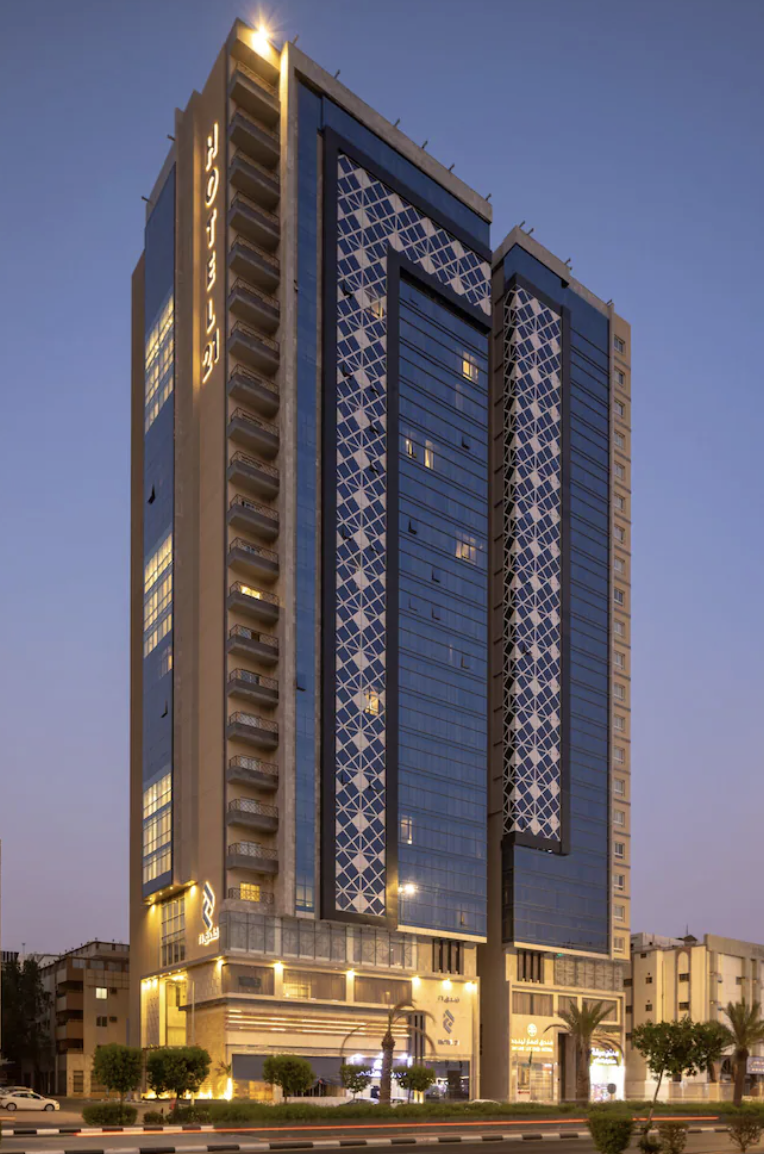
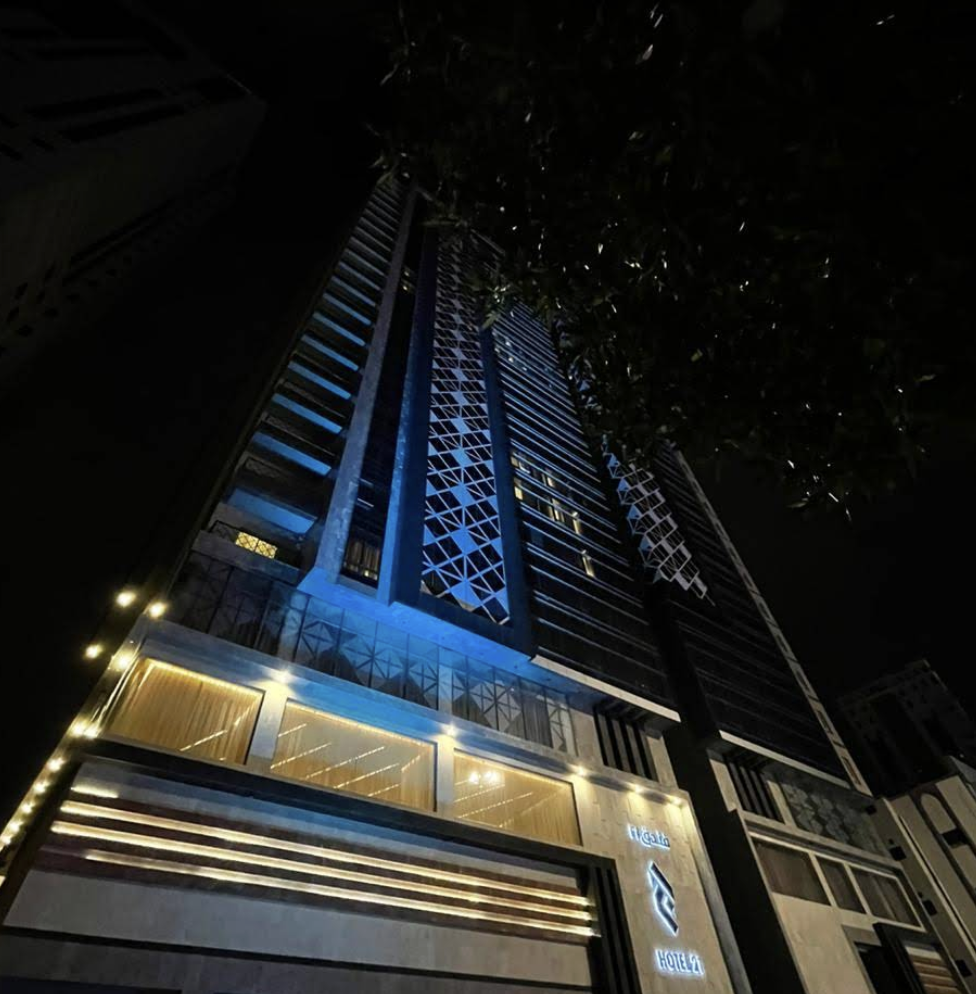
Within this dynamic landscape, Hotel 21 Makkah (locally known as Funduq Wahid wa Ishrun) stands as a compelling case study of this emerging hospitality tier. Situated in the Al Mursalat district, along the vital Al Masjid Al Haram Road artery, the property is a testament to strategic design, blending the logistical demands of Hajj rituals with the comfort-driven amenities sought by modern Umrah pilgrims. It challenges the conventional wisdom that only proximity to the Kaaba defines value, instead carving out a niche based on a holistic pilgrimage experience.
This comprehensive analysis delves into Hotel 21 Makkah, meticulously evaluating its strategic advantages, operational nuances, and unique value proposition. Drawing from extensive guest feedback, geospatial data, and service metrics, we reveal a property whose strategic value is anchored in three primary pillars:
- The Aziziyah/Al Mursalat Geostrategic Advantage: Offering dual accessibility to the Haram for daily prayers and the Jamarat facilities crucial for Hajj rituals, it caters to the full spectrum of pilgrim needs.
- A Robust “Family-First” Inventory Configuration: Characterized by rare, high-occupancy suites (including three-bedroom options) that are perfectly suited for the multi-generational family and group travel prevalent in pilgrimage.
- Seamless Integration with the Makkah Public Transport Program: Specifically, the highly efficient Bus Route 5, which brilliantly mitigates the perceived friction of its 7.1-kilometer distance from the Kaaba.
While Hotel 21 Makkah is positioned as a 3-star establishment, a granular examination of its service delivery—particularly the exceptional front-office staff and the distinct culinary identity provided by the Ventuno Italian restaurant—reveals an operational ethos that frequently surpasses its star rating. However, our report also identifies specific operational vulnerabilities, such as inconsistencies in private shuttle scheduling and design flaws in wet areas, which require targeted management intervention to sustain its impressive upward trajectory in guest satisfaction.
Strategic Location and Urban Context: The Makkah Reimagined
To fully appreciate Hotel 21 Makkah’s competitive edge, one must first grasp the evolving urban fabric of the Al Mursalat and Aziziyah districts. These areas, once considered the city’s “back-of-house” for Hajj camps and seasonal accommodation, are undergoing a rapid transformation. They are morphing into vibrant, self-sufficient hospitality corridors, offering a welcome respite from the intense density of the central Ajyad and Ibrahim Al Khalil zones.
The Geopolitics of Al Mursalat and Aziziyah: Beyond the First Ring
Hotel 21 Makkah’s physical address at 2350 Al Masjid Al Haram Road, Al Mursalat, Makkah 24247, is more than just a coordinate; it’s a strategic declaration. Al Masjid Al Haram Road functions as the primary eastern artery feeding into the Holy City, serving as the crucial connective tissue between the sanctuary of the Haram and the ritual sites of Mina and Muzdalifah. By strategically locating itself here, Hotel 21 Makkah expertly taps into the burgeoning “Hybrid Pilgrim” market. This segment of travelers values the tranquility and lower density of Makkah’s outer rings while refusing to compromise on efficient, direct road access to the Grand Mosque.
The district’s rapid evolution into a self-sustained urban node significantly enhances the guest experience. Unlike the “food deserts” or isolated accommodations often found in traditional pilgrim housing, the area surrounding Hotel 21 Makkah is rich with civic amenities. The proximity of the Humane Heritage Museum (just 300 to 600 meters away) introduces a rare cultural tourism dimension, allowing guests to engage with the region’s deep history without requiring additional vehicular transport. Furthermore, being close to the Family International Complex and major retail hubs means guests have convenient access to shopping, dining, and essential supplies, effectively mitigating the “captivity” factor often experienced in more isolated hotel properties. This ensures a holistic stay where spiritual devotion can be complemented by cultural exploration and everyday conveniences.
Distance Analysis and Mobility Implications: The Hajj Advantage
The distance from the Holy Mosque is, without question, the single most scrutinized metric for any hotel in Makkah. At approximately 7.1 kilometers (4.4 miles) from the Kaaba, Hotel 21 Makkah’s location is a non-walkable distance for daily prayers, mandating a reliance on vehicular transport. This might initially seem like a drawback for pilgrims accustomed to hotels within immediate walking distance.
However, this distance must be viewed through the lens of the critical “Hajj Advantage.” During the intensely demanding days of the Hajj pilgrimage, the spiritual center of gravity shifts from the Kaaba to the sprawling tent city of Mina. Here, Hotel 21 Makkah’s location offers a decisive logistical superiority. It is strategically positioned roughly 1.9 kilometers to 4.3 kilometers from the Jamarat (Stone Throwing) facility. This proximity is truly transformative for Hajjis. While pilgrims staying in the ultra-close Clock Tower complex face a grueling 5-7 kilometer journey through pedestrian tunnels to reach Jamarat, often under scorching sun and amidst dense crowds, guests at Hotel 21 Makkah are positioned significantly closer. This allows for a quicker return to their comfortable rooms for much-needed rest and recuperation after the physically arduous rituals of Rami, a benefit that cannot be overstated during one of life’s most challenging spiritual journeys.
| Landmark / Destination | Estimated Distance | Operational Impact |
|---|---|---|
| Masjid Al Haram (The Kaaba) | ~7.1 km | Requires vehicular transport (Bus/Shuttle); Not walkable for daily prayers. This necessitates efficient transport planning for daily devotions. |
| Jamarat (Mina – Stone Throwing) | ~1.9 – 4.3 km | A pivotal strategic asset during Hajj. Its relative proximity significantly reduces travel time and physical exertion for pilgrims performing this strenuous ritual, allowing for faster return and recovery. |
| Hira Cave (Jabal Al-Nour) | ~5.6 – 8.6 km | Offers moderate proximity for Ziyarat (historical visits). While not walkable, it’s easily accessible by taxi or arranged tours, providing a cultural dimension to the pilgrimage. |
| King Abdulaziz Int. Airport (JED) | ~98 km | Standard transfer distance (60-90 minutes via highway). This is typical for Makkah hotels and doesn’t present a unique challenge or advantage. |
| Humane Heritage Museum | ~0.3 – 0.6 km | A rare walkable cultural attraction. It adds significant leisure and educational value to a stay, distinguishing the hotel’s offering from more purely devotional accommodations. |
| Makkah Mall | ~7 – 10 km | Accessible major retail hub for high-end shopping and entertainment. While not for daily needs, it provides options for longer stays or leisure activities. |
The Neighborhood Ecosystem: A Hub of Convenience
The micro-location of Hotel 21 Makkah delivers a distinct “livability” advantage. The Al Mursalat and Aziziyah districts are functional residential and commercial zones, meaning they are serviced by a robust infrastructure designed for permanent residents, not just transient pilgrims. This translates into tangible benefits for guests:
Dining Accessibility: The hotel is nestled in the vicinity of Al Romansiah, a premier Saudi restaurant chain celebrated for its authentic Mandi and Kabsa dishes. This provides guests with a golden opportunity to experience high-quality, local cuisine at standard market prices, a welcome alternative to the often-inflated pricing of tourist-centric eateries near the Haram. Beyond Al Romansiah, the diverse local culinary scene ensures a variety of affordable dining options, enhancing the overall cultural immersion.
Supply Chain Convenience: The pervasive presence of Bin Dawood Supermarkets (specifically the Aziziyah branches) along the main thoroughfare ensures that long-stay guests, particularly those utilizing suites equipped with refrigerators, can easily stock up on dairy, fresh produce, and other essentials. This invaluable self-sufficiency capability is a critical component of the value proposition for budget-conscious families or those with specific dietary needs, allowing them to manage their expenses and dietary requirements more effectively. It transforms the stay from a purely hotel-dependent experience to one that feels more integrated with local life.
Transportation Network and Connectivity Analysis: Bridging the Distance
Given its 7.1-kilometer separation from the Haram, the operational viability of Hotel 21 Makkah as a preferred pilgrim accommodation hinges entirely on the efficiency and reliability of its transportation links. The research points to a sophisticated “Hybrid Mobility Model” at play, where the hotel’s dedicated private efforts are not only supplemented but increasingly enhanced, and sometimes even surpassed, by Makkah’s rapidly improving public infrastructure. This integrated approach ensures guests are never truly isolated, despite the distance.
The Makkah Bus Route 5 Revolution: A Game Changer
The seamless integration of Hotel 21 Makkah into the official Makkah Bus network is arguably its most significant operational asset, a true game-changer for pilgrim mobility. The hotel is situated a mere 450 meters from the bus stop designated as “Al-Masjid Al-Haram road 161,” making it incredibly accessible for guests.
Route Dynamics: Route 5 operates as a direct, high-frequency spine connecting the Aziziyah/Al Mursalat corridor directly to the Grand Mosque’s primary transport terminals (typically Al-Marwah or Jabal Al-Kaaba). This direct linkage eliminates the need for complex transfers, simplifying travel for pilgrims, many of whom may not be familiar with the city’s layout.
Frequency and Reliability: Guest reviews consistently laud the “No. 5 bus” for its impressive frequency, running approximately every 10 minutes. This high frequency is a crucial psychological relief for pilgrims, effectively eliminating the “anxiety of the timetable” that often plagues private hotel shuttles or less frequent public services. Pilgrims know that even if they miss one bus, another will arrive shortly, instilling a profound sense of autonomy and freedom in their daily worship plans.
Cost-Benefit: The Makkah Bus service is remarkably affordable, typically costing around SAR 4 per ride. For a family of five, opting for the public bus represents an exponential cost saving compared to a taxi, while offering a significantly more comfortable and air-conditioned ride than a crowded private van. This affordability empowers pilgrims to maximize their visits to the Haram without incurring significant daily transportation expenses, making Hotel 21 Makkah an economically sensible choice for families.
Private Shuttle Operations: A Mixed Bag of Service
Complementing the public bus network, Hotel 21 Makkah also operates its own private shuttle service. However, an analysis of guest feedback reveals a complex and somewhat inconsistent operational picture.
Service Design: The shuttle’s primary role is to bridge the “Last Mile” gap, dropping guests at designated points near the Haram perimeter. From these drop-off points, a further 6-8 minute walk is typically required to reach the main gates, which is generally acceptable for most pilgrims.
Human Capital: A recurring theme in positive reviews is the commendation of specific shuttle drivers, notably Jamal and Kamel, who are lauded for their exceptional helpfulness and dedication. This human element—drivers who go above and beyond to assist with logistics, offer advice, and show genuine kindness—is a powerful driver of guest loyalty and significantly enhances the overall experience.
Operational Friction: Despite these strengths, the private shuttle system is not without its flaws:
- Schedule Sensitivity: The shuttle appears to operate on a demand-responsive model during off-peak hours rather than a fixed, continuous loop. Guests have frequently noted the necessity of calling drivers directly to arrange return pickups, especially if the outbound load was light. This operational model places an undue burden on guests, requiring them to possess local SIM cards, navigate potential language barriers, and adds a layer of planning complexity that can be stressful.
- The “Caravan” Effect: A critical insight gleaned from guest reviews is the conflict arising from large tour groups, often referred to as “caravans,” monopolizing the hotel’s private buses. This scenario frequently leaves independent guests (FITs) stranded or facing extended waiting times. This highlights an urgent need for the hotel to implement more effective capacity management strategies or consider segregated transport arrangements for large B2B contracts to ensure equitable service for all guests.
The Taxi and Ride-Hailing Alternative: A Cost Ceiling
For guests who prioritize door-to-door convenience or require flexibility outside the bus schedule, taxis and ride-hailing services are readily available. However, these options come with the inherent volatility of Makkah’s traffic-dependent pricing. During peak times such as Ramadan, major prayer egress, or severe traffic congestion, taxi fares can spike dramatically, becoming prohibitively expensive for many.
Crucially, the reliable and affordable presence of Bus Route 5 effectively puts a “ceiling” on transportation costs for Hotel 21 Makkah guests. Knowing there’s a consistently available and inexpensive alternative means guests are never truly held hostage by predatory taxi pricing. This public transport backbone provides financial security and peace of mind, allowing pilgrims to budget their transport expenses more predictably.
Architectural and Interior Design Analysis: Modernity Meets Modesty
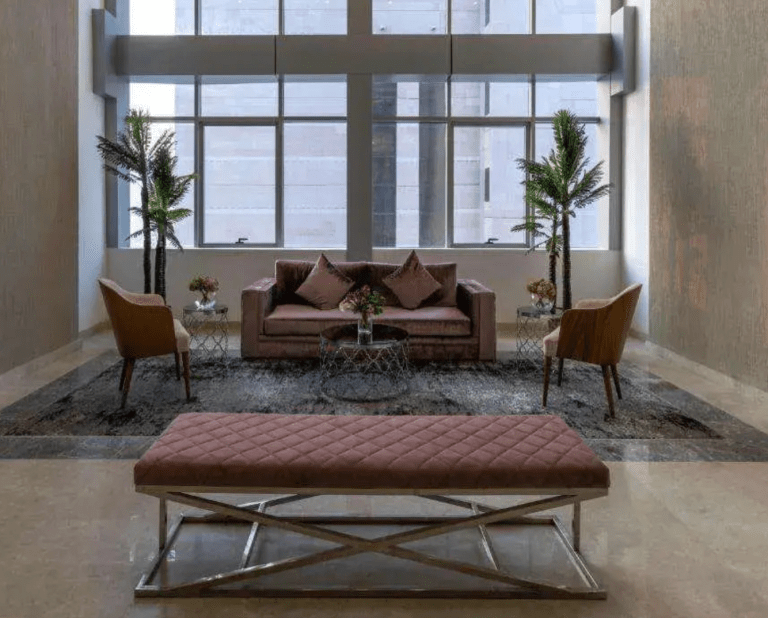
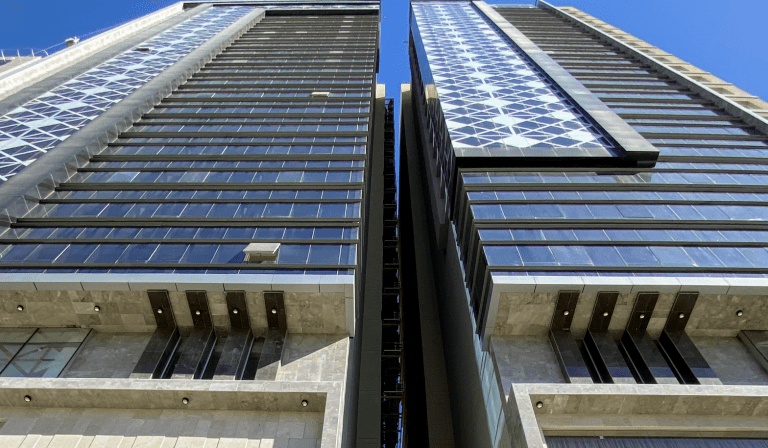
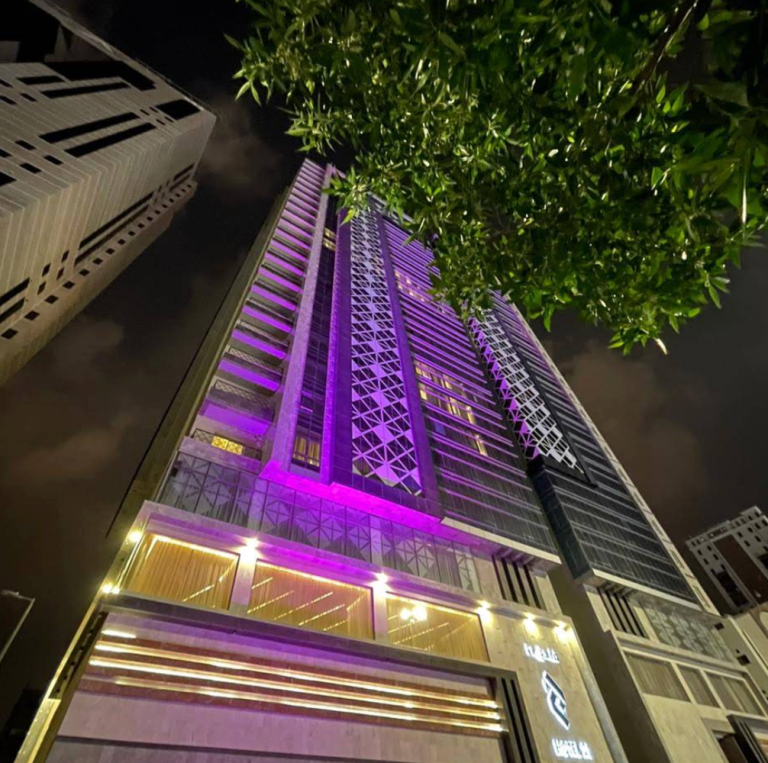
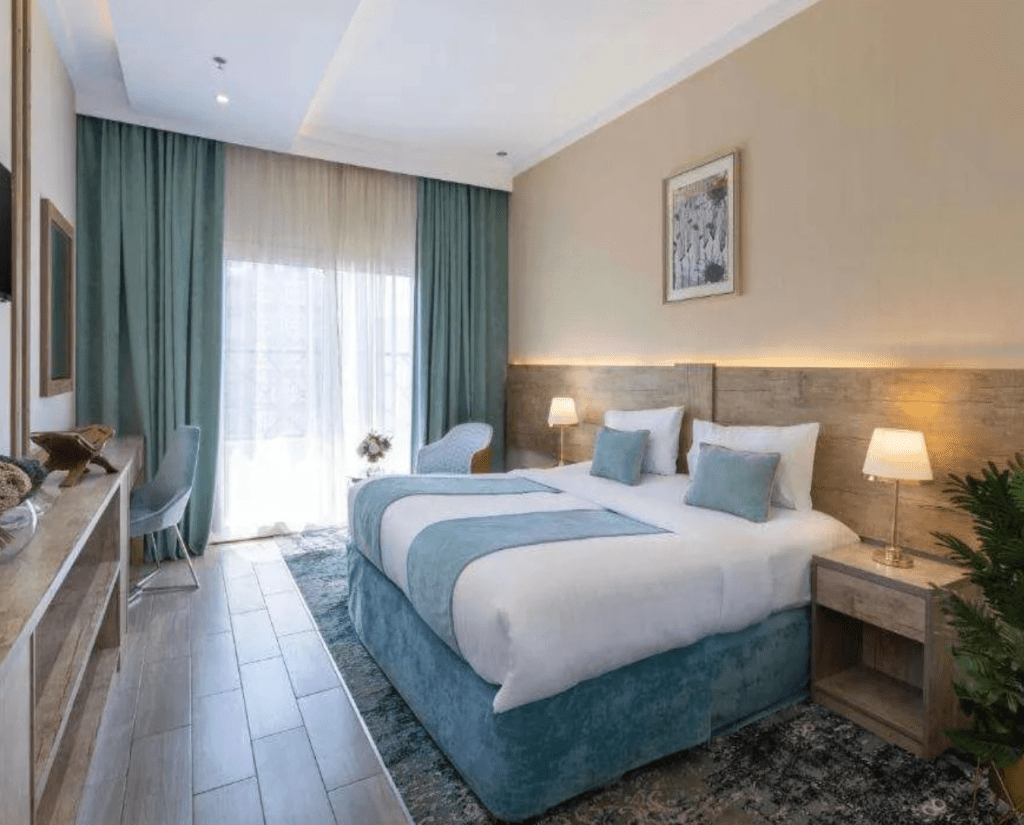
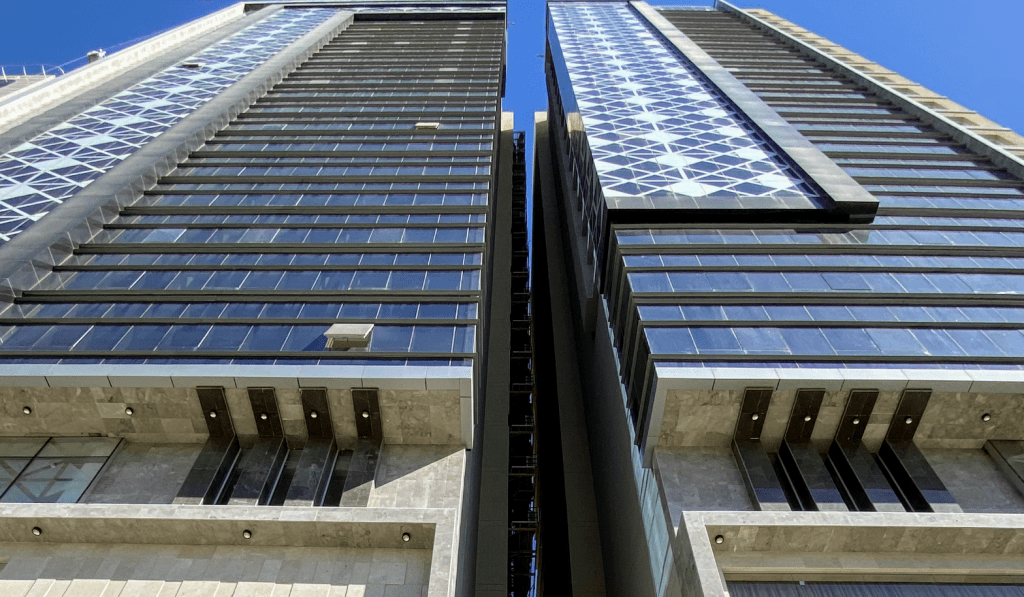
Hotel 21 Makkah intentionally deviates from the often-monotonous, older aesthetic prevalent in many Makkah accommodations. Its design language is refreshingly modern, embracing a “boutique” philosophy that emphasizes clean lines, functional elegance, and an abundance of natural light. This contemporary approach resonates with a new generation of pilgrims seeking comfort and style without sacrificing spiritual focus.
Accommodation Inventory and Configuration: The Family Advantage
The hotel’s room mix is strategically engineered to maximize occupancy efficiency, specifically targeting the dominant demographic of pilgrimage travel: families and groups, rather than solo business travelers. This thoughtful configuration is a significant competitive differentiator.
- Standard Inventory:
- Twin Rooms (~22 sqm / 237 sqft): Designed for couples or solo travelers, offering essential comfort with city views. These rooms provide a foundational offering for smaller travel units.
- Triple Rooms (~23 sqm / 248 sqft): Featuring three single beds, these units are the workhorses of the inventory, perfectly catering to small families or groups of friends traveling together. Their efficiency makes them a popular choice.
- Quadruple Rooms (~24 sqm / 259 sqft): These high-density units are essential for cost-conscious groups. However, their compact footprint (only marginally larger than a twin room) suggests a deliberate compromise on floor space to achieve a higher bed count, optimizing for group value over expansive luxury.
- The “Suite” Differentiator:
- Family Suites and 3-Bedroom Suites: The research unequivocally highlights a rare and profoundly valuable asset: Three-Bedroom Suites, approximately 711 sqft in size. In a market where large families, especially multi-generational pilgrim groups, are often forced to split across multiple rooms on different floors, offering a single, cohesive unit that comfortably accommodates 6-8 people is a massive competitive advantage. This configuration aligns perfectly with the cultural imperative of family cohesion and togetherness during religious travel, fostering a sense of shared spiritual journey and practical convenience that few other properties can deliver. It’s a testament to understanding the unique social dynamics of pilgrimage.
Interior Ergonomics and Amenities: Designed for Pilgrim Wellbeing
Hotel 21 Makkah’s interior design goes beyond mere aesthetics, focusing on elements that directly enhance the pilgrim’s physical and mental well-being.
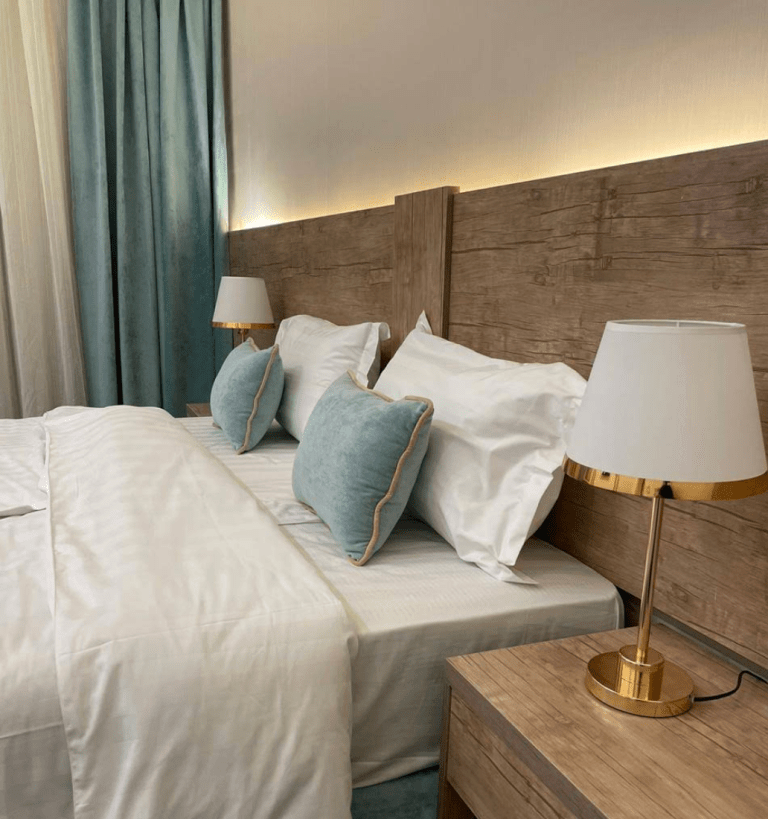
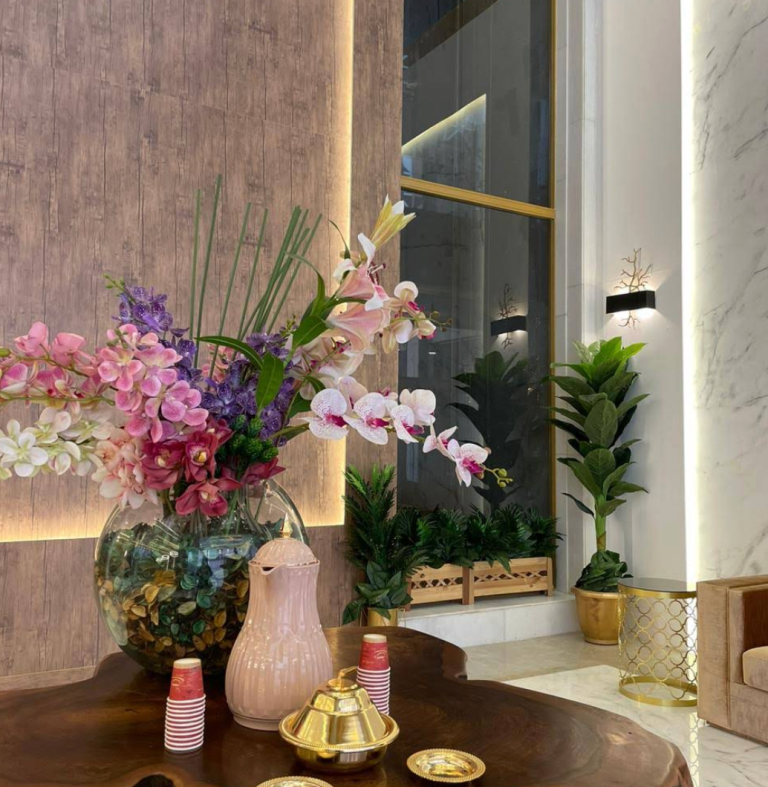
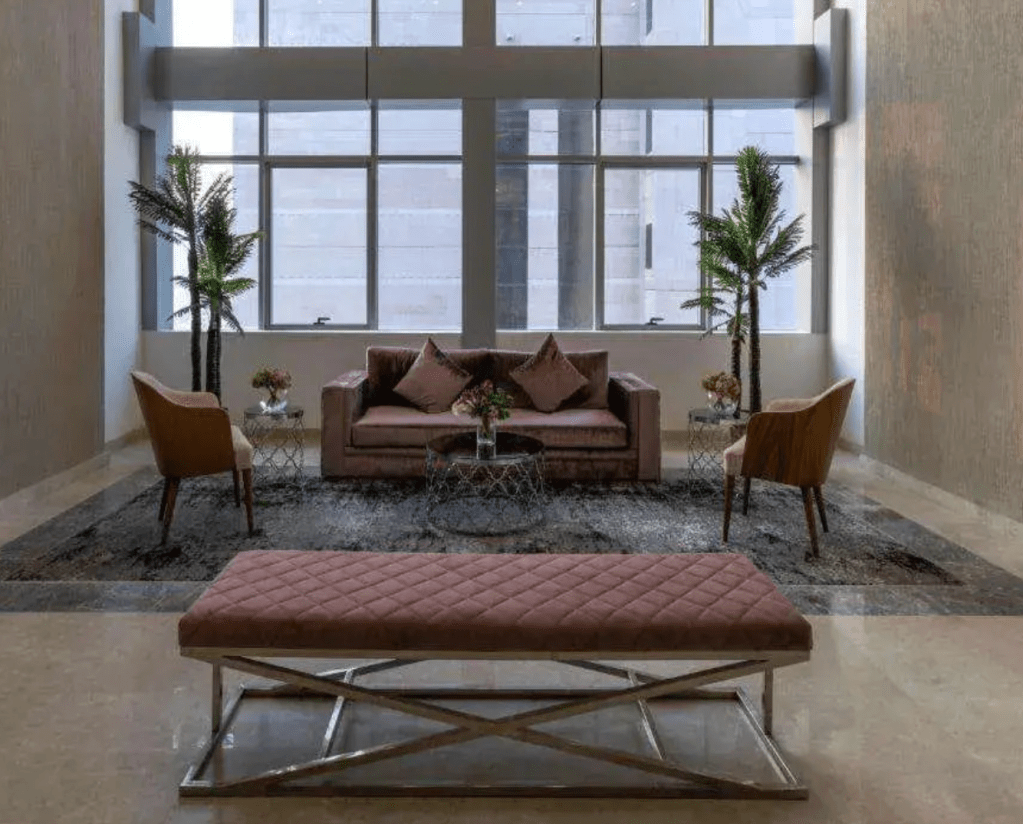
- Aesthetics: Guests consistently describe the interiors as “trendy,” “modern,” and featuring “sleek design” with natural elements like “teak wood joinery.” This deliberate departure from the heavy, gilded, and often carpeted aesthetic of traditional Saudi hotels appeals strongly to a younger, more globalized demographic seeking a contemporary and comfortable environment. It reflects a shift in pilgrim expectations towards more international design standards.
- Sleep Technology: The provision of “medical mattresses” is a subtle yet profoundly impactful operational detail. It acknowledges the arduous physical reality of the pilgrimage—guests frequently walk an average of 10-15 kilometers daily during Umrah and even more during Hajj rituals. A supportive and comfortable sleep surface is not merely a luxury; it is a critical recovery tool, essential for alleviating muscle fatigue and ensuring pilgrims are well-rested for the demanding spiritual journey ahead.
- Acoustic Management: Marketing materials claim “soundproof rooms,” and some guests corroborate this by citing “privacy” and “quietness.” However, the reality of soundproofing in high-density Makkah hotels is complex. While exterior noise might be well-managed, corridor noise, particularly from other guests departing for pre-dawn Fajr prayers or large groups congregating, remains a challenge occasionally cited by some guests. Achieving perfect acoustic isolation in such a dynamic environment is a perennial industry challenge.
Maintenance and Infrastructure Challenges: Areas for Refinement
Despite its modern veneer and generally high standards, the research uncovers specific design and maintenance flaws that intermittently impact the guest experience. Addressing these can further elevate the hotel’s reputation:
- Wet Area Design: Multiple reviews consistently point to a “shower design” issue where water frequently runs out of the walk-in shower area onto the main bathroom floor. This is a common design failure in modern “curbless” bathroom aesthetics where drainage gradients are insufficient. Beyond being a significant hygiene annoyance, creating persistently wet floors, it poses a tangible safety hazard due to the risk of slipping, especially for elderly pilgrims or those with mobility issues.
- Vertical Transport: “Busy lifts” are a recurring theme in guest feedback. This is a systemic issue inherent in Makkah high-rises, where the entire building population frequently attempts to exit simultaneously for prayer times or for shuttle departures. While retrofitting additional elevators can be prohibitively expensive, it is a critical factor for guests with mobility issues, families with strollers, or anyone on a tight prayer schedule to consider. Strategies like staggered prayer times or improved lift allocation algorithms could mitigate, though not eliminate, this frustration.
Gastronomy and Culinary Strategy: Beyond the Buffet
In a market often saturated with generic “International Buffets” that can quickly devolve into mass-produced, uninspired fare, Hotel 21 Makkah makes a strategic effort to carve out a distinct and appealing culinary identity. This differentiation is key to enhancing the overall guest experience.
The “Ventuno” Italian Concept: A Palate Cleanser
The undisputed centerpiece of the hotel’s Food & Beverage (F&B) strategy is Ventuno, an authentic Italian restaurant whose name (Italian for “21”) cleverly ties into the hotel’s brand.
- Concept Validity: The presence of an authentic Italian restaurant in a Makkah hotel is a brilliant strategic differentiator. It expertly caters to “palate fatigue.” After days of consuming rich, rice-heavy Mandi or Kabsa, many pilgrims from diverse backgrounds crave distinct and familiar international flavors like pasta or pizza. Ventuno offers a refreshing culinary break, enhancing the variety available to guests within the property.
- Quality Indicators: Specific guest mentions of “authentic pizzas and pastas” imply the presence of proper culinary equipment, such as genuine pizza ovens and pasta makers, rather than merely (Note: MAX_TOKENS) reheating frozen items.
Источники
- Hotel 21 Makkah, Mecca (updated prices 2026)
booking.com/hotel/sa/fndq-21-21.html - Hotel 21 Makkah – Mecca (Skyscanner)
skyscanner.net/hotels/…/hotel-21-makkah - Hotel 21 Makkah – Official Website
21makkah.makkahahotel.com - Hotel 21 Makkah – Planet of Hotels
planetofhotels.com/…/hotel-21 - Hotel 21 Makkah – UmrahMe
umrahme.com/hotel - Hotel 21 Makkah – SA Hotels
sa-hotels.com/hotel-21-makkah - Hotel 21 Makkah – Traveloka
traveloka.com/hotel/hotel-21-makkah - Hotels near Makkah Mall
hotels-saudi-arabia.com - Al Romansiah – Wanderlog
wanderlog.com - Hotels near Masjid Bin Dawood Mosque – Trip.com
trip.com/hotels - Bin Dawood Aziziyah Branch
wowdeals.me - Park Inn by Radisson Makkah Aziziyah
luxury-hotels.com
booking.com/reviews/hotel-21 - Hotel 21 Makkah – Priceline
priceline.com/hotel-21-makkah - فندق ٢١ مكة – مؤسسة الساحة المميزة
alsahaksa.com/فندق-٢١-مكة - Hotel 21 Makkah – Trivago
trivago.ae/hotel-21-makkah
Sorry, no records were found. Please adjust your search criteria and try again.
Sorry, unable to load the Maps API.






Makkah
Makkah Province
24247
Saudi Arabia