Performing the Hajj or Umrah pilgrimage is one of the most significant spiritual journeys for Muslims worldwide. The experience is fulfilling, yet can be physically demanding, requiring pilgrims to be prepared for various health-related challenges. In Saudi Arabia, particularly in Makkah and Medina, having access to reliable medical care is essential for ensuring a safe and healthy pilgrimage.
This article provides a detailed overview of medical assistance services available to pilgrims in Saudi Arabia, focusing on care provided by an experienced doctor – a surgeon, therapist, and traumatologist with 15 years of professional experience. The discussion includes the types of services offered, important health considerations during the pilgrimage, and practical advice on securing timely medical help.
Contents
- Why Medical Assistance Is Crucial for Pilgrims
- Common Health Issues During Pilgrimage
- Overview of Medical Services Offered
- Contact and Communication
- Practical Tips for Pilgrims Regarding Health and Medical Aid
- Conclusion
Why Medical Assistance Is Crucial for Pilgrims
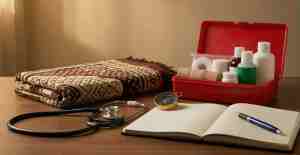
The pilgrimage to Makkah (Hajj/Umrah) involves strenuous physical activities such as walking long distances, standing for extended periods, and exposure to varying climatic conditions. These demands can exacerbate pre-existing health issues or cause new ailments. Elderly individuals, children, and those with chronic conditions are especially vulnerable.
Key reasons why medical assistance is essential for pilgrims include:
- High Physical Strain: The pilgrimage rituals require walking multiple kilometers, often in crowded and hot environments. This increases the risk of dehydration, heat exhaustion, injuries, and fatigue.
- Mass Gatherings: Large crowds increase the chances of infectious diseases spreading quickly, minor injuries, and accidents.
- Language Barriers: Non-Arabic speakers may face difficulties communicating symptoms and receiving appropriate medical attention.
- Unfamiliar Medical System: Foreign pilgrims might not be familiar with local healthcare facilities or procedures.
- Emergency Situations: Quick intervention during emergencies such as accidents, severe allergic reactions, or cardiac events can save lives.
Therefore, having access to a multilingual, experienced medical professional who understands the pilgrims’ unique needs provides significant reassurance and safety.
Common Health Issues During Pilgrimage
Understanding common health challenges during pilgrimage helps pilgrims prepare and seek timely assistance. Some frequent issues include:
1. Respiratory Infections and Common Cold
Busy, crowded conditions encourage respiratory infections such as colds and flu, exacerbated by fatigue and stress.
2. Heat-Related Illnesses
Heat exhaustion, heatstroke, and dehydration are common due to high temperatures and physical exertion.
3. Cardiovascular Problems
Elderly pilgrims or those with pre-existing conditions may experience blood pressure fluctuations, chest pain, or cardiac distress.
4. Gastrointestinal Disorders
Foodborne illnesses and dehydration from diarrhea or vomiting can occur due to changes in diet and water sources.
5. Musculoskeletal Injuries
Blisters, sprains, strains, and falls are prevalent given the walking and standing rituals.
6. Minor Cuts, Wounds, and Abrasions
With large crowds and busy rituals, minor injuries needing immediate attention are typical.
7. Chronic Disease Management
Continuous care is necessary for diabetes, hypertension, asthma, and other chronic illnesses during the pilgrimage period.
Overview of Medical Services Offered
An experienced doctor specializing in surgery, therapy, and traumatology, with 15 years of practice, offers comprehensive medical assistance for pilgrims in Makkah and Medina. The services cover a broad spectrum of healthcare needs from routine consultations to emergency interventions.
Consultations and Treatment Prescriptions
- Symptom Evaluation: Thorough assessment of complaints related to infections, chronic diseases, injuries, or general health.
- Diagnosis: Using clinical knowledge and available diagnostic tools to determine the illness or condition.
- Treatment Plans: Prescribing medications or lifestyle recommendations tailored to the pilgrim’s needs.
- Follow-Up Care: Monitoring progress and adjusting treatment as required for optimal recovery.
Example: A pilgrim complains of persistent cough and mild fever during Hajj. After consultation, the doctor diagnoses an upper respiratory tract infection and prescribes appropriate antibiotics and supportive care.
Emergency Surgical Care
- Wound Care: Cleaning, disinfecting, and dressing cuts, abrasions, or surgical wounds effectively to prevent infection.
- Suturing and Minor Surgical Procedures: Performing emergency stitching when necessary.
- Management of Traumatic Injuries: Handling fractures, sprains, and other trauma with prompt medical interventions.
- Pain Management: Administering appropriate analgesics for acute pain relief.
Example: A pilgrim slips and suffers a deep cut on the foot. The doctor performs wound cleaning, stitches the wound, and provides antibiotics to prevent infection, ensuring the pilgrim can continue the pilgrimage safely.
Treatment of Therapeutic Diseases
- Infectious Diseases: Treatment for colds, influenza, and gastrointestinal infections.
- Chronic Disease Management: Monitoring and adjusting medication for hypertension, diabetes, and asthma.
- Poisoning and Intoxication: Immediate intervention for food poisoning or drug toxicity.
- General Health Issues: Addressing symptoms like headaches, dizziness, fatigue, and allergic reactions.
Example: An elderly pilgrim experiences a sudden spike in blood pressure. The doctor evaluates and adjusts medications promptly to prevent complications.
Minor Surgical Procedures – Circumcision
- Pediatric Circumcision: Safe and sterile circumcision procedures for children as per family requests and cultural needs.
- Post-Procedure Care: Guidance on wound care and prevention of infection.
This service is particularly helpful for families traveling with children requiring circumcision during their stay in Saudi Arabia.
Parenteral Therapies: IV, IM Infusions and Injections
- Intravenous (IV) Infusions: Administering fluids, electrolytes, vitamins, or medications via IV lines for rapid correction of dehydration or illness.
- Intramuscular (IM) Injections: Delivering vaccines, antibiotics, or other medications as needed.
- Safe Administration: Ensuring sterile technique and monitoring for adverse reactions.
Example: A dehydrated pilgrim who has suffered from diarrhea receives IV fluids to restore hydration quickly and safely.
Assistance in Local Hospitals
- Hospital Escort: Accompanying pilgrims to local hospitals for specialized investigations or treatments.
- Language and Cultural Mediation: Facilitating communication with hospital staff.
- Medical Documentation: Explaining medical reports and prescriptions in understandable language.
- Continuity of Care: Ensuring appropriate follow-up after hospital visits.
Example: A pilgrim with severe abdominal pain is escorted to a hospital for imaging and diagnosis. The doctor helps bridge communication gaps and ensures the pilgrim receives timely care.
On-site Hotel Visits
- Convenience: Medical services can be provided in pilgrims’ hotels, reducing the need for travel.
- Comprehensive Examination: Full evaluation and treatment offered directly at the accommodation.
- Emergency Readiness: Quick response to urgent needs in the comfort of the pilgrim’s lodging.
Example: A pilgrim recovering from an injury gets daily wound dressing and medication administered at their hotel room.
Contact and Communication
Medical assistance is available via multiple communication channels for ease of contact:
- WhatsApp: Fast text and voice messaging for consultations and appointments.
- Telegram and Bip: Alternative messaging apps widely used for secure communication.
- Phone Numbers:
- Russian line: +7 987 573 7400
- Saudi Arabia line: +966 534 750 482
Multilingual support, including Russian and Arabic communication, ensures clear understanding and swift medical interventions.
Practical Tips for Pilgrims Regarding Health and Medical Aid
To make the most of available healthcare services and maintain well-being during the pilgrimage, consider the following advice:
1. Prepare a Medical Kit
Include personal medications, antiseptics, bandages, pain relief drugs, and hydration salts.
2. Stay Hydrated
Drink plenty of clean water to avoid dehydration, especially in the heat.
3. Follow Hygiene Practices
Regular hand washing, using sanitizers, and wearing masks in crowded areas reduce infection risks.
4. Wear Comfortable Footwear
Well-fitting shoes reduce blisters and foot injuries.
5. Monitor Chronic Conditions
Keep medications handy and adhere strictly to treatment regimens.
6. Seek Early Medical Help
Don’t delay contacting a medical professional at the first sign of illness or injury.
7. Save Emergency Contacts
Store the doctor’s contact numbers on your phone and in written form.
8. Inform Travel Companions
Ensure family or group members know how to access medical help quickly.
Conclusion
Pilgrimage in Makkah and Medina is a spiritually rewarding but physically demanding journey. Pilgrims often face diverse health challenges that require expert, reliable medical attention. Access to a seasoned surgeon, therapist, and traumatologist with extensive experience ensures comprehensive care — from routine consultations and chronic disease management to emergency surgical interventions.
Immediate availability of treatment, hospital assistance, and on-site services like hotel visits provide remarkable comfort and safety. Utilizing available communication channels, pilgrims can secure health support promptly, enabling them to focus on their worship without worry.
Preparation, vigilance, and trust in professional medical assistance are key to a safe, fulfilling pilgrimage experience. Whether you are undertaking Hajj or Umrah, prioritizing your health ensures the journey remains a blessed memory for a lifetime.
For medical assistance during your pilgrimage in Saudi Arabia:
- WhatsApp, Telegram, Bip: +7 987 573 7400 (Russia)
- Phone: +966 534 750 482 (Saudi Arabia)
May your pilgrimage be safe, healthy, and spiritually uplifting.

1 Comment
RUSLAN KHALILOV
супер